Stories about gods forming the world, a famous hero fighting a great battle, a clever animal evading predators, and a lengthy narrative poem concerning a hero’s voyage may all seem mythic initially, but they may not be of the same sort of traditional story. Being able to differentiate between myth, legend, folktale, and epic will help you better understand the texts, recognize similarities and differences, and understand what the stories were meant to describe, retain, or amuse.
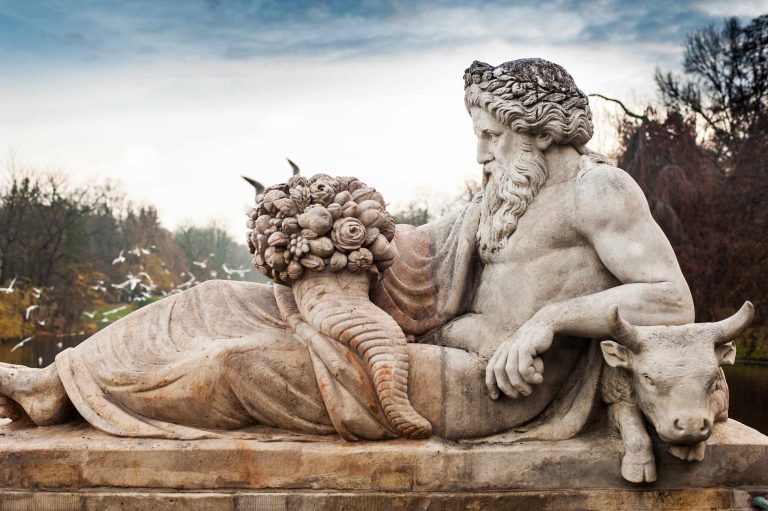
A myth generally relates to the sacred, the divine, the cosmos, the sacred, ritual, or human interactions with things greater than themselves. Myths about creation, the afterlife, and deities creating the rules of society or tradition would fall under this category. Although the myth is not required to be factually true to be important, the myth can rely on the traditions’ ritual practices, geography, society, or concepts of chaos and order. To understand what the story accomplishes, consider what aspect of the world or human existence it describes.
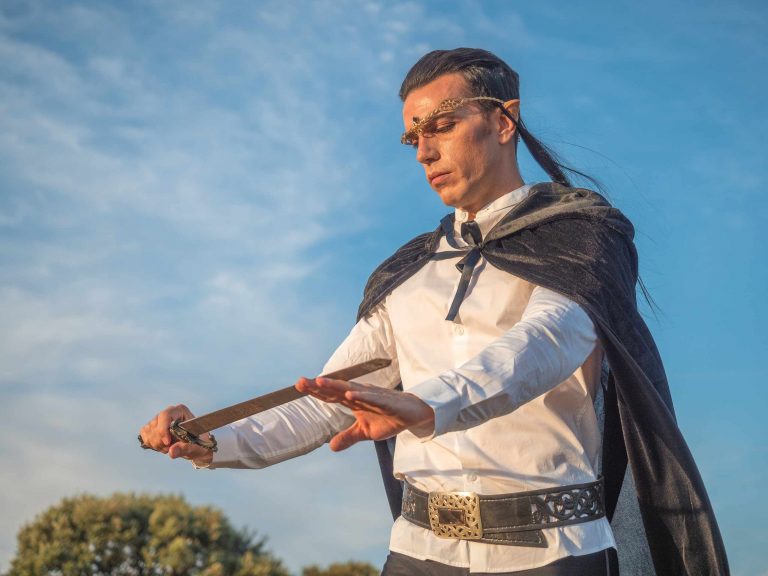
Legends have a closer link to individuals, locations, or events believed to be human in origin. The story’s main character may be a leader, fighter, holy person, bandit, or city founder, not a god. There could be magic, beasts, omens, and embellishments in the legend, but the story usually remains linked to a particular place or time. The tricky thing about a legend is that the subject may have some real-life existence, but what is left of the story has been transformed by generations of telling. Instead of asking if everything in the story is literally accurate, think about how the story became a symbol because of people remembering and retelling the story.
Unlike myths, folktales may not deal as much with religious history and may instead concentrate on relatable situations, recurring archetypes, and familiar storytelling conventions. Perhaps the youngest child wins when the oldest children failed, a trickster outsmarts a powerful adversary, or a beggar gets rewarded for his kindness. The background of the story may be undefined, and the cast of characters may not be drawn from a specific family tree or religion. These tales are easily passed along because they can be changed to fit different contexts. If the story opens in a nameless land or woodland and revolves around wit, risk, fortune, or manners, then the story might be a folktale rather than a myth.
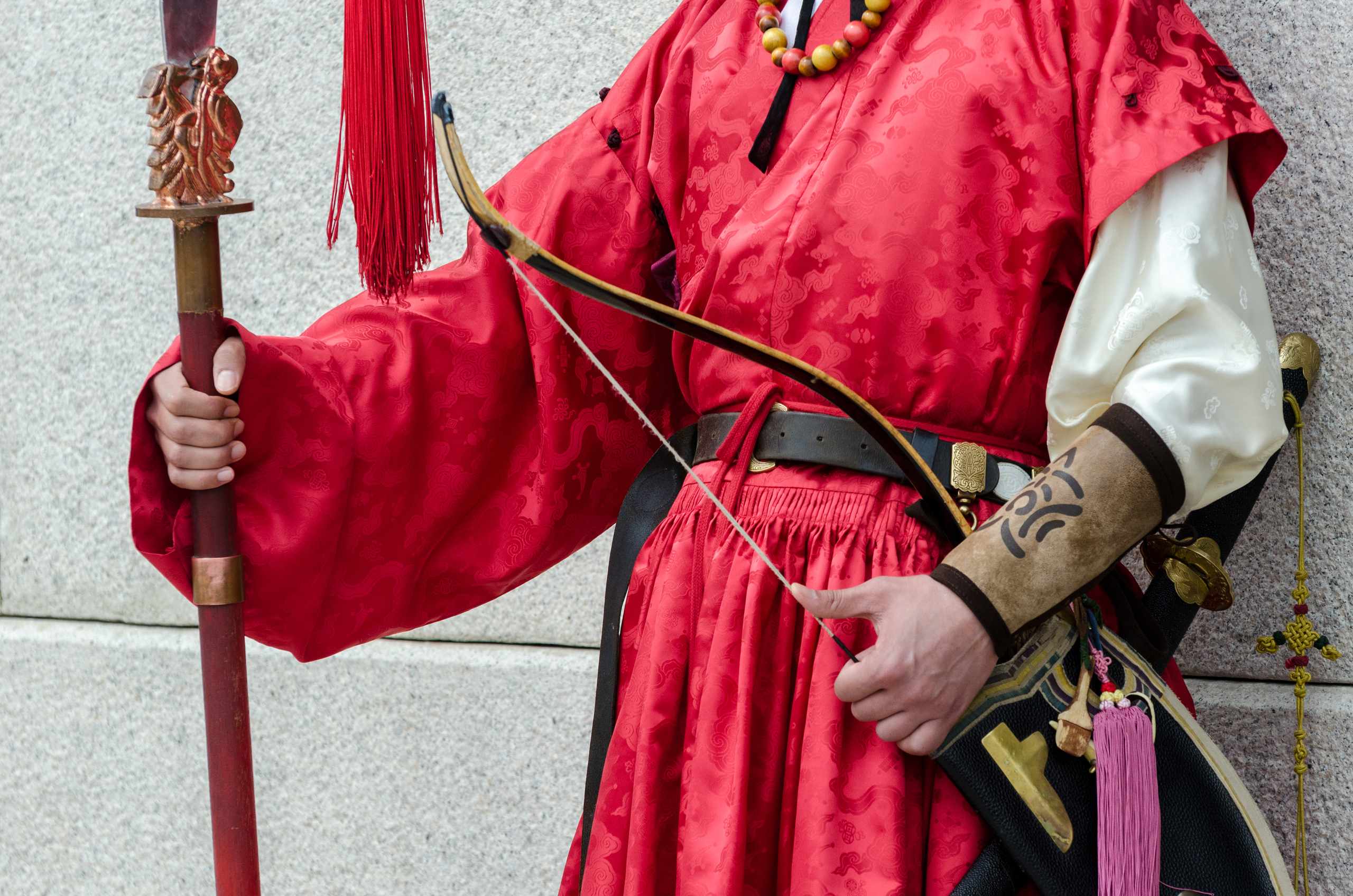
Epic poems usually are long stories revolving around the deeds of heroes, strife, travel, battles, destiny, or the preservation of a tribe. Epics may include elements of myths, legends, and religions, and the story may also feature gods. The defining quality of an epic is its length and form. It usually centers on one hero’s various challenges and sets his personal decisions within a bigger political, cosmic, or societal struggle. A heroic saga may exist in written verses, recited orally, or multiple versions compiled together. This implies that the original author, the person translating the poem, and the year of publication are relevant when comparing various editions of the work.
For practice, take a brief story and construct a chart of the setting, characters, problem, climax, and resolution. Then ask yourself three questions: Does the story describe divine beginnings or universal laws? Is the story associated with a known person or site? Is the story an adaptable plot or part of a longer saga? The story might belong to more than one group. This is acceptable. Stories were not made to neatly fit into the labels of today, and later tellings of the story can alter the meaning of the tale.
The best takeaway is not to immediately decide on a single label. The goal is to identify what information helps you decide between them. An interaction with a god, a specific place name, a nameless trickster, or a long adventure suggests a different interpretation. When you cannot decide on a classification, list your reasons and look at how the writer categorizes the story. By doing this, you can prevent all myths, legends, folktales, and epics from blending together.