
Read Myths Beyond The Plot
Learn to trace deities, heroes, symbols, sources, and recurring motifs while keeping each tradition grounded in its own cultural context.
Sources, Stories, And Context
A Clearer Way To Study Myth
Story Structure
Map the setting, conflict, turning point, and outcome instead of memorizing isolated events.
Character Roles
Follow deities, heroes, tricksters, monsters, ancestors, and the relationships that shape each narrative.
Source Awareness
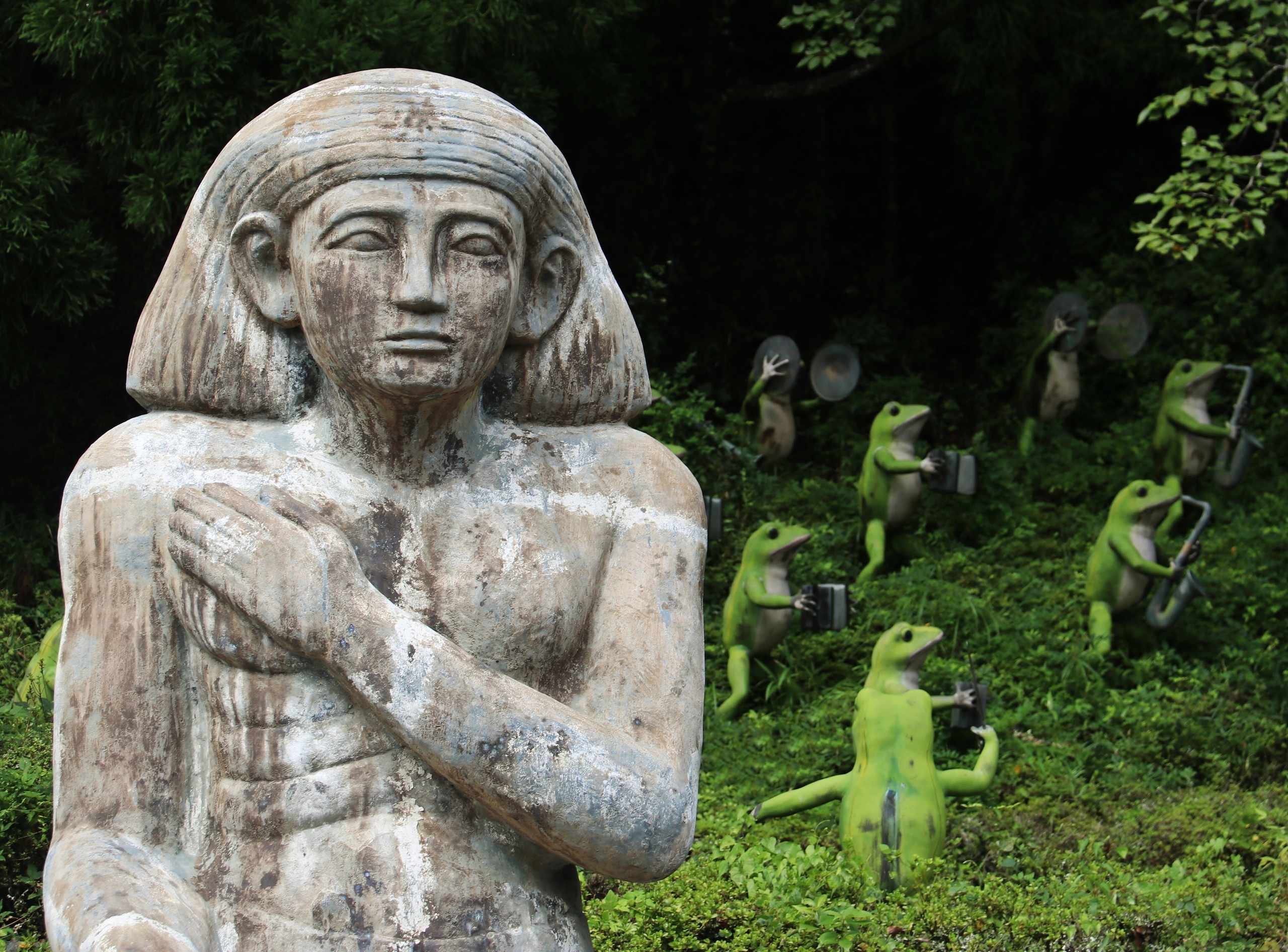
Separate early written sources, translations, regional variants, and later popular retellings.
Careful Comparison
Compare motifs across traditions without treating similar symbols or events as identical.
Practical Tools For Complex Stories
Organize unfamiliar names, competing versions, symbols, and cultural details through focused reading exercises.
Relationship Charts
Connect deities, heroes, ancestors, rivals, and family lines within one tradition.
Motif Notes
Track descent, transformation, prophecy, sacrifice, taboo, and forbidden knowledge.
Source Cards
Record the culture, period, surviving text, translator, and adaptation status.
Version Checks
Mark what changes when the same myth appears in another translation or retelling.
The relationship charts helped me stop treating mythological names as a list. I could finally follow each figure’s role, notice different versions, and explain what changed between a source and a modern retelling.

Mio Takamine
Myths Viewed Through Evidence
Context Before Conclusions
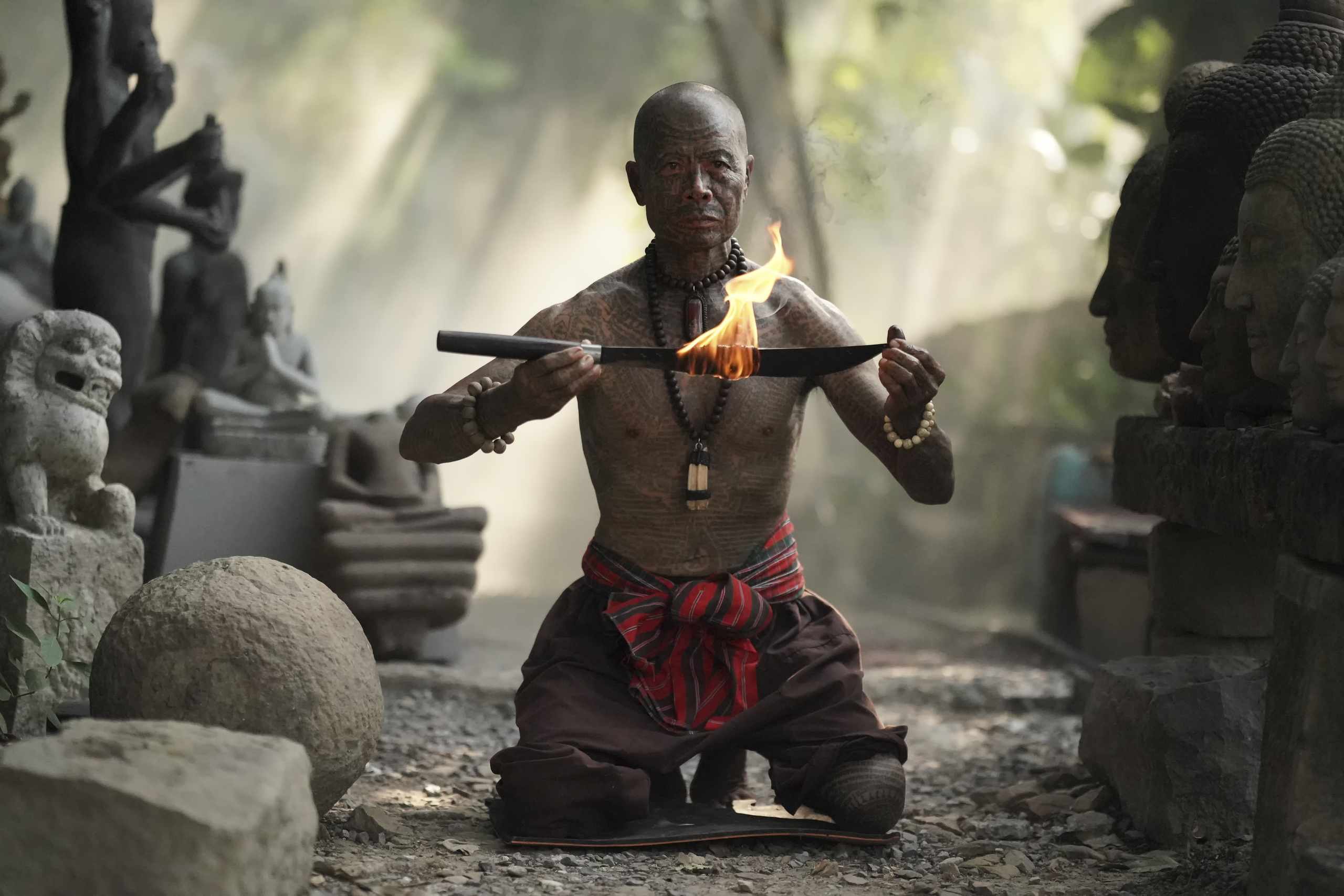
See how close reading, source checks, timelines, and focused comparisons support careful interpretation.